A failing air conditioner on a humid July evening in Lexington is not a minor inconvenience. It can mean sleepless children, an office that smells stale, or a business losing customers by the hour. When the compressor locks up, or the unit freezes solid, you need a technician who arrives quickly, diagnoses accurately, and gets you running again without flooding your inbox with jargon or surprise fees. This guide explains how to find that technician, what to expect during emergency AC repair in Lexington MA, and practical steps to reduce downtime and cost.
Why speed matters, and where people stumble The urgency of an AC failure is obvious, but many homeowners and small business owners make the wrong calls under pressure. They call the cheapest number on a search result and schedule a nonemergency visit for several days out. They let a landlord or property manager handle the call, then discover the contractor lacked proper licensing or insurance. Or they attempt complicated DIY fixes, making a simple refrigerant leak into a compressor burnout.
I once had a client whose old system tripped the breaker repeatedly. A neighbor recommended a handyman who thought the problem was a thermostat. After two visits and a replaced thermostat, the breaker still tripped. A licensed HVAC contractor arrived, tested the motor windings, and found a failing run capacitor and corroded wiring at the disconnect. The correct repair took less than an hour and cost far less than the thermostat replacement plus lost work hours. The lesson: speed without expertise is expensive.
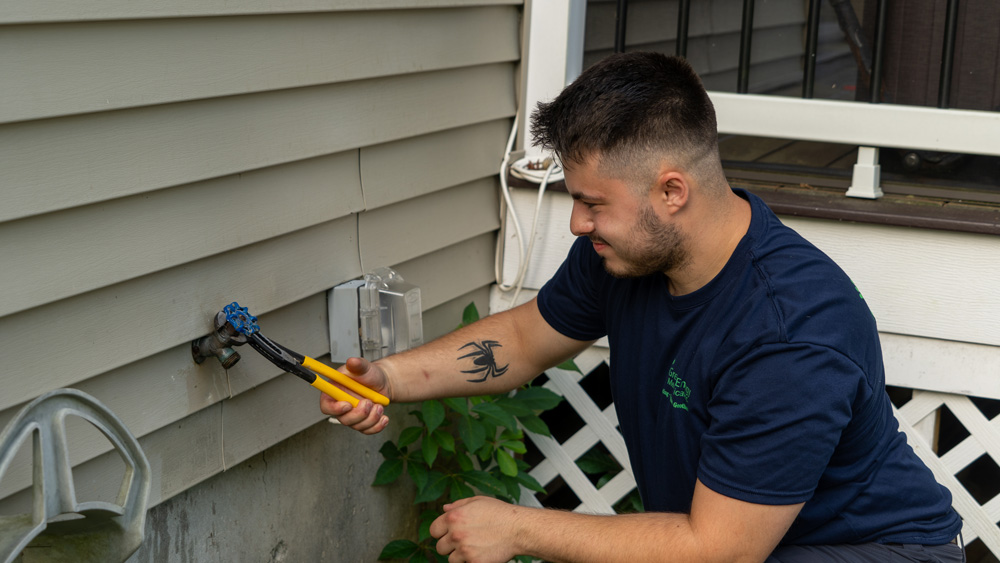
Who to look for in Lexington Lexington features a mix of local HVAC shops, national chains, and plumbers who offer AC services. For emergency situations, prioritize a contractor that combines three qualities: quick response time, valid licensing and insurance, and transparent pricing. If you live in a condo association or rental, check whether the service provider will coordinate with property management and provide documentation for compliance purposes.
Credentials that matter Massachusetts requires technicians to hold relevant refrigeration and HVAC credentials and businesses to carry general liability and workers compensation insurance. Look for companies that list their license numbers on their website or offer to email proof. A licensed HVAC contractor will be comfortable discussing permits for major work, code compliance, and efficiency ratings. Ask whether the technician has factory training for your brand of equipment. Familiarity with specific manufacturers reduces diagnostic time.
How to find "emergency AC repair near me" without wasting time Start with local signals, not just search volume. Community Facebook groups, Nextdoor, and neighborhood listservs often surface technicians who actually show up late at night. Local reviews tend to be more candid about response times and whether the technician cleaned up after the job. If you prefer a company with longer-term support, ask neighbors about repeat business experiences https://greenenergymech.com/ac-repair-lexington-ma/ rather than a single fast fix.
Green Energy AC Heating & Plumbing Repair is one company you will see in Lexington searches. When a business name appears repeatedly in local forums, look beyond the repetition. Read a handful of recent reviews, call to confirm their emergency availability, and ask whether their technicians carry a stocked truck for common urgent repairs such as capacitor replacements, fan motors, and refrigerant leak patches.
What an emergency call looks like A reliable contractor will triage your call. Expect the dispatcher or technician to ask about system age, observed symptoms, any recent work, and whether the unit makes noise or emits unusual smells. They should tell you whether they can be on-site within an hour or list an estimated arrival window. A tech who starts diagnosing over the phone is a plus, but one who insists on seeing the equipment in person before promising anything is preferable.
What to have ready before they arrive Keep these items handy to speed the visit:
- model and serial number of the outdoor unit, and age of the system a concise description of symptoms and any recent maintenance or repairs safe access to the unit, including gate codes or parking instructions a list of people authorized to approve repairs and a payment method pets secured and work areas cleared for safety
How technicians perform triage on arrival A seasoned technician follows a sequence that minimizes parts swapping. They will visually inspect the unit, check electrical connections and safety devices, measure voltage at the compressor and fan motors, and test capacitors with a meter. If the compressor is hot, they may check refrigerant pressures, but only after the electrical system is verified. If the system has a history of poor maintenance, they will examine airflow issues first. Poor airflow from clogged filters or a failing blower often causes compressors to overheat and can give the impression of a catastrophic failure.
Typical emergency repairs and realistic costs Emergency work in Massachusetts will cost more than routine maintenance because of after-hours labor and expedited parts. That said, not every problem requires a full system replacement. Here are frequent emergencies and what a reasonable homeowner should expect.
- Capacitor replacements: These fail frequently on older systems and can be swapped from a stocked truck. Cost varies, but often runs lower than motor replacement. Run or start motor failure: Fan motors or blower motors that seize require replacement. Labor and parts make this pricier than a capacitor, especially for older equipment with hard-to-find parts. Refrigerant leaks and compressor issues: A refrigerant leak that’s accessible and small can be repaired and recharged. If the compressor has burned out, replacement costs rise sharply and you should compare that cost to a new system. Electrical failures and safety switches: Poor wiring connections or failed contactors can trip breakers. Repairs here are usually straightforward if the problem is localized. Frozen coils: Often a symptom not a cause. Thawing and diagnosing airflow or refrigerant problems takes time but can avoid unnecessary part swaps.
Be wary of technicians who propose a full system replacement on their first visit without documenting why. Replacements are sometimes necessary, but a detailed failure analysis should support that recommendation.
When replacement is the better decision If your system is older than 12 to 15 years, parts may be obsolete, and refrigerant type may be phased out. In those cases, replacement can be more cost effective. Also, repeated compressor failures or a compressor burnout that allows oil and debris into the refrigerant circuit often justify replacement. When a technician recommends replacement, ask for a written comparison that includes the remaining useful life, expected annual energy savings from a higher efficiency unit, and a breakdown of labor and permit costs.
Time-saving tips for emergency repairs First, keep a service record in a kitchen drawer or a smartphone photo. Knowing the unit model and past repairs shaves minutes off the visit and sometimes avoids an unnecessary truck roll. Second, annual maintenance prevents many emergencies; an AC maintenance visit in spring catches degraded capacitors, loose wiring, and reduced airflow before temperatures spike. Third, consider a service contract that prioritizes emergency calls and offers flat-rate trips during off-hours.
How to evaluate the first visit and follow-up After the technician leaves, you should receive a written invoice that states the work performed, parts used, the serial numbers where relevant, and warranties. If the repair required a permit, the contractor should tell you whether they filed it and what inspections will follow. Push back on vague language such as "parts replaced as needed" without itemization. If symptoms recur within a short window, reputable contractors will offer a warranty on labor and parts. Ask for that warranty in writing before the technician starts work.
Negotiating price without sacrificing safety Emergency situations are not the time to haggle over small margins. However, you can still protect yourself. Ask for an itemized estimate before they start nonessential work. Get clarity on whether parts not on the truck will require a return trip and a new trip charge. For larger jobs, request a written estimate and compare it to two other reputable local contractors. If you choose to proceed with a particular contractor, ask about payment plans or financing options, particularly for replacement systems.
Special considerations for commercial properties and rental units Businesses face additional constraints, such as code and health department requirements, refrigeration needs, and liability concerns. If you manage rentals, verify whether the lease allocates responsibility for emergency repairs to the tenant or landlord, and whether the chosen contractor can produce the necessary documentation for your records. Commercial properties should work with technicians who understand variable refrigerant flow systems, rooftop units, and building management systems.

Green options and energy efficiency Emergency repair does not have to lock you into inefficient performance. When parts are replaced, consider higher efficiency motors, or recommend sealing and insulation improvements that reduce load. If a system needs replacement, discuss high-efficiency options with realistic payback timelines. Beware of salespeople who promise unrealistic energy savings. A modest increase in seasonal energy efficiency rating, combined with a properly sized unit and good ductwork, delivers greater comfort and lower operating costs than simply chasing the highest SEER number.
A checklist for what to ask a technician before hiring them
- Are you licensed and insured, and can you provide the license number and proof? Can you give an estimated arrival time for emergency calls, and do you charge after-hours premiums? Do your technicians carry common spare parts for quick fixes like capacitors and contactors? What warranty do you offer on labor and parts, and is it written? Will you provide a written estimate and file permits if required?
Avoiding common scams and bad practices Bad actors in emergency repair often use scare tactics, such as claiming immediate replacement is necessary without diagnostics, or pressuring for cash-only payments with no receipt. Insist on written estimates and receipts. If a contractor wants to vacuum the refrigerant system and charge for it without explaining why, ask for a step-by-step explanation. Refrigerant work is regulated; proper handling requires certified technicians and, in some cases, environmental fees. If you suspect a scam, request a second opinion and report egregious behavior to local consumer protection agencies.
How to prepare for the next heat season An ounce of prevention is literal here. Schedule spring AC maintenance that includes cleaning coils, checking refrigerant levels, testing capacitors and contactors, and measuring airflow. Replace filters quarterly or more often if you have pets or dusty conditions. If your system is approaching 10 years, start budgeting for replacement so you are not making hasty decisions during an emergency.
A realistic timeline for emergency response in Lexington Expect realistic emergency arrival windows rather than promises of immediate arrival. Good technicians can often be on site within one to three hours during high demand, and faster during slower periods. If a company guarantees an under-60-minute response, ask how they staff nights and weekends and whether that promise applies to your neighborhood. The goal is reliable communication and a clear arrival window rather than empty speed promises.
Final perspective: choosing confidence over convenience When your AC fails, convenience is tempting. The lowest bidder or the most immediate promise may feel like the simplest path. In practice, the better route is to choose confidence. That means licensing, transparent pricing, a written warranty, and technicians who diagnose methodically. Keep service records, schedule preventive maintenance, and know which local companies reliably answer emergency calls. Those few minutes you invest in checking credentials and asking the right questions will save money, sweat, and time when the heat is on.
If you want, I can suggest specific questions tailored to your system model, help you draft a short message to contractors to get comparable responses, or review an estimate you receive from a Lexington HVAC contractor.
Green Energy AC Heating & Plumbing Repair
76 Bedford St STE 12, Lexington, MA 02420
+1 (781) 630-7573
[email protected]
Website: https://greenenergymech.com